When a teen in Asheville or Western North Carolina needs residential treatment, parents often worry about two things at once: their child’s safety and their education. It can feel like you have to choose between stabilizing your teen’s mental health and keeping them on track with schoolwork and graduation plans.
At BlueRock Behavioral Health, you do not have to make that choice. BlueRock’s Level II residential teen program in Bat Cave, North Carolina combines trauma-informed treatment with an accredited on-campus school so students can keep learning while they heal. This article explains how academic continuity works in residential care and how BlueRock supports schoolwork before, during, and after treatment.
Why Academic Continuity Matters During Teen Treatment
For many teens, school is more than homework and grades. It is where they see friends, experience success, and imagine their future. When a student leaves their local school for residential treatment, they may worry about falling behind, losing credits, or not graduating with their class. Those worries can add to anxiety and depression, especially when a teen already feels out of control.
North Carolina leaders recognize the strong link between student mental health and school performance. State agencies have invested in school behavioral health initiatives and policies that ask districts to support both learning and emotional well-being. In that context, academic continuity in treatment is not a bonus. It is part of what helps teens return home ready to rejoin school, complete requirements, and move toward college, work, or vocational training.
Residential treatment works best when it addresses the whole picture. That includes helping a teen stabilize emotionally and giving them a realistic plan for returning to class, finishing credits, and feeling capable again in the school environment.
Inside Bearwallow Academy: BlueRock’s On Campus School
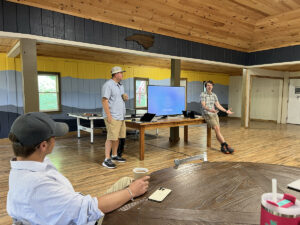
Every BlueRock student attends Bearwallow Academy, the accredited on-campus school located right on the program’s 140-acre mountain campus in Bat Cave. Classes are taught in person by licensed teachers and aligned with North Carolina academic requirements. The goal is simple: keep learning moving forward so treatment does not become a lost semester or year.
At Bearwallow Academy, academics and treatment are coordinated, not competing. Teachers and clinicians share information, align goals, and celebrate progress in both areas. That might mean recognizing a student who completes a challenging assignment, uses coping skills during class, or starts getting to class on time after months of school refusal.
Licensed, In Person Learning For Western North Carolina Students
Accreditation matters because it protects the integrity of credits and makes it easier for districts across Western North Carolina to accept coursework completed at BlueRock. Bearwallow Academy follows a traditional classroom model with in-person instruction rather than packets or self-paced online modules. This structure helps students rebuild daily routines, practice showing up, and re-engage with learning after a period of stress or disruption.
The curriculum includes core subjects that align with North Carolina standards. When a student enrolls, BlueRock’s academic team reviews transcripts and schedules to see what the teen has already completed and what they need for graduation or promotion to the next grade.
Small Classes And Relationship Based Teaching
Most classes at Bearwallow Academy are small, which gives teachers the flexibility to adjust pacing and provide more one-on-one support. Many BlueRock students arrive with anxiety, attention challenges, or low confidence after struggling in larger school settings. Smaller groups, predictable routines, and familiar faces help reduce performance pressure and create a safer environment for learning.
BlueRock’s academic model mirrors its clinical philosophy: relationships come first. Teachers build trust, get to know each student’s strengths, and use multi-modal teaching that combines direct instruction, guided practice, and hands-on projects. The aim is not only to complete assignments but also to help teens rediscover that they can learn, solve problems, and succeed.
How BlueRock Coordinates With Home Schools
From the start of treatment, BlueRock plans for a student’s eventual return to their home school. Admissions and academic staff ask for recent report cards, transcripts, Individualized Education Programs (IEPs), 504 plans, and any evaluation reports. This information helps the team understand where the student is academically and what supports have been tried already.
BlueRock then communicates with the student’s district or private school to share information about Bearwallow Academy, confirm credit needs, and outline a plan for how coursework will transfer back. That collaboration reduces surprises later and gives school teams confidence that time in treatment will count toward promotion and graduation.
Credit Transfer And Graduation Planning
Because Bearwallow Academy is accredited and aligned with North Carolina requirements, staff can map classes to local graduation plans or promotion standards. They coordinate syllabi, grading scales, and course descriptions with the home school so credits will transfer cleanly when a student returns.
For high schoolers, this often includes talking through graduation timelines, credit recovery needs, and post-secondary goals. The team can help families think about how to sequence courses, whether summer school or online options might help, and how to keep a teen’s long-term goals realistic while still honoring their current mental health needs.
Supporting IEPs, 504 Plans, And Learning Differences
Many BlueRock students have learning differences or formal supports in place at school. Bearwallow Academy reviews existing IEPs and 504 plans, implements accommodations on campus, and tracks how students respond. If a teen needs updated testing or changes to their plan, the team works with the home district to discuss next steps.
Accommodations might include extended time on tests, reduced-distraction environments, more frequent breaks, help with organization, or modified workloads. Because teachers and clinicians are in close communication, they can coordinate strategies like using coping skills before quizzes, rehearsing presentations in therapy, or practicing self-advocacy scripts a student can later use with school staff.
Planning For A Successful Return To School
As discharge approaches, BlueRock helps families and schools plan for reentry. That may involve sharing updated progress reports, recommending classroom supports, or scheduling a transition meeting with school counselors and special education staff.
Students practice skills they will need in their home school environment, such as using planners, asking for help appropriately, managing anxiety in crowded settings, and following class routines. The goal is for the student to step back into school with a clear plan, not just a stack of discharge papers.
A Typical School Day During Residential Treatment
Structure is one of the most powerful tools in both learning and mental health recovery. At BlueRock, weekdays include a predictable blend of school, therapy, movement, and downtime. While exact schedules can change, a typical school day might look like this:
Students start their mornings with wake-up, hygiene, and breakfast before heading to the classroom. Core academic periods usually run through late morning, with time built in for lunch and physical education or other electives. In the early afternoon, students move into a mix of study hall and clinical groups, where they work on assignments, build coping skills, and process what they are learning.
Later in the day, teens have fitness and outdoor time, recreational activities, dinner, and evening wind-down routines that support sleep and regulation. This rhythm helps students practice the same executive functioning skills they will need at home and school: arriving on time, managing transitions, organizing materials, and finishing tasks even when they feel stressed.
Academic Support For Common Challenges
Most teens at BlueRock have experienced some kind of school disruption before admission. That might include chronic absences, school refusal, failing classes, behavior referrals, or difficulty keeping up with assignments due to anxiety, trauma, ADHD, or depression.
Bearwallow Academy is designed with those realities in mind. Teachers use smaller groups, clear expectations, and movement breaks to help students with attention and regulation. Staff can scaffold larger assignments into smaller steps, provide more frequent check-ins, and collaborate with therapists if a student is avoiding a particular class because of social anxiety or a past negative experience.
Study hall is not just a quiet room. It is a supported space where staff can coach students on planning, prioritizing, and breaking down tasks. Over time, teens experience what it feels like to complete work, recover from setbacks, and maintain academic effort while also participating in intensive treatment.
Partnering With Families And North Carolina Schools
Parents and caregivers are key partners in supporting schoolwork during and after treatment. BlueRock’s family therapy and parent coaching help you understand how your teen learns best, what triggers school anxiety, and how to build routines at home that support consistent attendance and homework completion.
Families are encouraged to stay in touch with school teams back home, ask questions about credit and placement, and share updates from the treatment team. After discharge, it can be helpful to meet with your teen’s counselor, IEP team, or student support staff to review recommendations and make sure everyone understands the plan.
North Carolina families can also tap into broader resources like state school mental health initiatives and family education programs. These supports can help you navigate accommodations, advocate for your child, and stay informed about best practices in school-based mental health support.
Costs, Insurance, And Educational Services At BlueRock
Families often ask whether they will be charged separately for schooling while their teen is in treatment. At BlueRock, Bearwallow Academy is part of the residential program. Students attend classes as a standard part of their daily schedule, and academic services are built into the overall treatment model.
BlueRock accepts North Carolina Medicaid, including managed care plans, and works with patients for out-of-network care for Level II residential treatment. Parents can submit an insurance verification form or contact Admissions to learn how their coverage may apply to treatment.
While every plan is different, the BlueRock team coordinates with insurers so families can focus more on helping their teen and less on paperwork.
Aftercare, Transition, And Local Resources
Academic continuity does not end when a teen leaves campus. Before discharge, BlueRock helps map out next steps that often include outpatient therapy, school-based supports, and peer or family resources in the teen’s home community. The aim is to keep gains from treatment going while a student adjusts back to daily life.
In Western North Carolina, families can work with school counselors, psychologists, social workers, and nurses to maintain support at school. Many districts have comprehensive school mental health plans that guide how they respond to students returning from treatment or experiencing ongoing mental health needs.
Community resources can also play an important role. Local and state mental health organizations offer support groups, education classes, and helplines for parents and youth. These services can help families stay connected, informed, and supported while navigating the transition back to school.
If your teen is in immediate danger or you believe there is a medical emergency, call 911 right away. For urgent mental health or suicidal thoughts, you can call or text 988 or use chat services through the national crisis lifeline.
How To Evaluate Academic Support In A Teen Residential Program
If you are comparing residential programs in North Carolina or beyond, it can help to ask specific questions about academics, not just therapy and safety. Consider asking:
- Is there an licensed on-campus school with licensed teachers, or are students using online modules or worksheets?
- How do you coordinate credits, graduation requirements, and transcripts with home schools or districts?
- How do you support IEPs, 504 plans, or learning differences while a student is in treatment?
- How do teachers and therapists work together so academic goals and treatment goals support each other?
- What does a typical school day look like, and how many students are in each class?
Programs that can answer these questions clearly are more likely to provide the academic continuity teens need to return home and feel successful in school again.
Why Families Choose BlueRock For School And Treatment
Families across Asheville and Western North Carolina choose BlueRock because it combines a relationship-centered clinical program with a structured, accredited school environment. Teens live and learn on a scenic mountain campus that includes classrooms, dorms, outdoor recreation areas, and spaces for individual and family therapy.
The combination of Bearwallow Academy, small classes, NC-licensed teachers, and a trauma-informed residential program gives students space to stabilize, build skills, and stay connected to their education. For families who rely on North Carolina Medicaid or who have complex school needs such as IEPs and 504 plans, this integrated model can be especially important.
If you want to learn more about the treatment model, you can read about BlueRock’s clinical approach or visit the Frequently Asked Questions page for details about program length, age criteria, and academic supports.
How To Get Started With BlueRock
If your teen is struggling with school, mental health, or both, you can contact BlueRock’s admissions team any time. They can answer questions about fit, walk you through the intake process, and help you understand how academics will work for your child.
To take the next step, you can:
- Call BlueRock at (828) 845-8454 to talk with admissions and ask about availability.
- Visit the Admissions page to see who BlueRock serves and what to expect from enrollment.
- Complete the online insurance verification form to learn how your benefits may apply.
From there, the team will help you gather school records, coordinate with your district, and create a plan that supports both your teen’s mental health and their education.
Sources And Further Reading
The following resources can help North Carolina families learn more about school mental health, student supports, and family education: