Watching your child struggle can leave you feeling helpless. You may have tried weekly outpatient therapy, counseling at school, or even a short residential stay only to find that your teenager is still in need of help. If these lower levels of care have not created lasting change, you are likely confronting the possibility that your child needs a more intensive, long-term solution.
Teen residential treatment is a structured, long-term clinical program where adolescents live on-site while receiving intensive mental health and behavioral support. Unlike short-term hospitalization designed for immediate crisis stabilization, residential care provides the time and therapeutic depth needed to address the root causes of a teen’s struggles through trauma-informed and attachment-based care.
Key Takeaways
- Time for Real Change: Residential programs typically last 3 to 6 months, allowing for deeper therapeutic work than short-term stays.
- Clinical Depth: High-touch care includes trauma-informed and attachment-based therapy tailored to each student’s complex needs.
- Academic Continuity: Programs like BlueRock feature on-site accredited schools to ensure students do not fall behind while receiving treatment.
- Accessibility: Quality care is available to working-class families through North Carolina Medicaid Level II certification and commercial insurance.
- Healing Environment: A campus-style setting in the Blue Ridge foothills provides space for teens to get off screens and into their bodies.
When Outpatient Isn’t Enough: Understanding Residential Treatment For Teens
Teen residential treatment is defined as a 24-hour therapeutic living environment where adolescents receive comprehensive clinical intervention while residing in a safe, structured community. This level of care is distinct from acute hospitalization, which focuses primarily on immediate safety during a psychiatric emergency. While outpatient care allows a teen to remain at home, residential treatment is designed for students whose complex needs require a higher degree of accountability and support than a weekly therapy session can provide.
Parents often worry that choosing residential care means they have given up. In reality, a residential program offers a “geographic pause” from local social stressors and digital triggers that may be hindering a teen’s progress at home. For families in Western North Carolina and the broader Southeast, this transition allows the focus to shift entirely to healing in a space designed for transformation. Reaching this decision is often the first step in breaking the cycle of failed outpatient treatments.
Signs A Higher Level Of Care May Be Needed
- Outpatient therapy has not resulted in measurable behavioral or emotional improvement.
- Your teen has had multiple short-term hospitalizations that did not lead to long-term stability.
- The home environment has become consistently unsafe or centered around crisis management.
- Your child is withdrawing from school, family, and healthy social circles entirely.
- Local school-based counseling and resources are exhausted.
What Ongoing Therapy Actually Looks Like In A Residential Program
Clinical care in a high-quality residential program is a high-touch experience that goes far beyond a single hour of talk therapy. At BlueRock Behavioral Health, we utilize an attachment-based model as a core philosophy. This approach focuses on repairing the foundational relationships in a student’s life, helping them build the security needed to explore and heal from past traumas.
Individual Therapy And Trauma-Informed Care
Every student receives individualized therapy that is trauma-informed, meaning our clinicians recognize the widespread impact of trauma and integrate this understanding into every aspect of care. This isn’t just about managing behaviors; it is about addressing the “why” behind the struggles. By using evidence-based practices, we help students develop new coping mechanisms and a stronger sense of self.
Family Involvement Throughout Treatment
Healing happens in relationships. Students don’t get treatment through isolation. Family involvement is a key component of our program. Through regular family therapy sessions, parents and siblings learn the same tools and language the student is practicing on campus. Students return home to North Carolina and the family system supports their continued growth.
Group Therapy And Peer Community
A residential program is a therapeutic community where peer interaction becomes a powerful tool for change. Group therapy sessions allow students to practice social skills, accountability, and empathy in real-time. In this setting, teens realize they are not alone in their struggles, which often breaks the isolation that frequently accompanies mental health challenges.
If you are trying to picture what this journey would look like for your child, a conversation with our team can help you understand our specific clinical approach. Reach out to us at (828) 845-8454 for a confidential consultation.
Structure, Safety, And Why The Environment Matters
For many parents, the term “residential treatment” brings up fears of sterile, lockdown facilities. However, a therapeutic community like BlueRock is designed to look and feel like a campus, not a correctional institution. We believe that the environment is an active participant in the healing process.
A Therapeutic Community, Not A Lockdown Facility
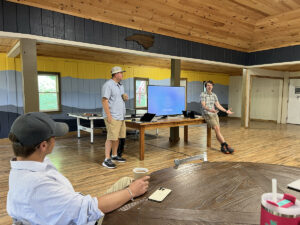
Our 140-acre campus in the Blue Ridge foothills features separate buildings for dorms, academics, clinical work, dining, and recreation. This layout encourages students to move through their day with purpose, much like they would in a traditional school or community setting. Safety is created through structure and relationship, not through containment or punishment. This environment allows teens to feel safe enough to lower their defenses and engage in the hard work of therapy.
140 Acres In The Blue Ridge Foothills: Space With Purpose
The physical setting near Hendersonville, NC, allows us to incorporate the natural world into treatment. Having 140 acres provides space for students to get away from digital distractions and reconnect with their physical selves. Whether it is through outdoor recreation or simply walking between buildings on campus, the intentionality of our environment supports a holistic approach to behavioral health.
Keeping Up Academically: School During Residential Treatment
One of the most practical fears parents face is whether their child will fall behind in school while away at treatment. At BlueRock, we solve this concern through Bearwallow Academy, our on-site accredited school. We believe that educational continuity is essential for a teen’s self-esteem and future trajectory.
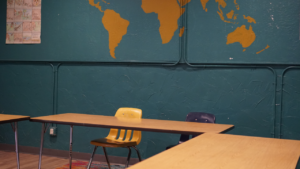
Bearwallow Academy offers individualized academic pacing, allowing students to focus on their clinical work without the added pressure of a standard classroom deadline. Because we are an accredited institution, credits earned here transfer back to your local North Carolina school district. This level of academic integration is a key differentiator, as it prevents the academic “gap” that can often cause further stress for students returning home.
Teen Residential Treatment In Western North Carolina
BlueRock Behavioral Health is located in the heart of the Blue Ridge foothills near Hendersonville, NC. Our location allows us to serve families across Western North Carolina, the Asheville metro area, and the broader Southeast region. We are proud to be a North Carolina Medicaid Level II certified facility, making high-quality residential care accessible to families who may have previously felt priced out of elite treatment options.
We believe that every adolescent deserves high-caliber clinical care, regardless of their family’s income level. By accepting North Carolina Medicaid and most major commercial insurance plans, we help working-class families bridge the gap between affordability and quality. You should not have to choose between your financial stability and your child’s health.
| Feature | BlueRock Behavioral Health | Typical Short-Term Stay |
| Duration | 3-6 Months | 7-14 Days |
| Philosophy | Attachment-Based & Trauma-Informed | Crisis Stabilization |
| Academic Support | On-site Accredited School (Bearwallow Academy) | Minimal to None |
| Environment | 140-Acre Therapeutic Campus | Hospital Ward or Clinical Office |
| Insurance | NC Medicaid & Commercial Insurance | Varies by facility |
Is Residential Treatment The Right Step For Your Teen?
Determining the right time for residential placement is a complex decision that no parent should have to make alone. If your child is struggling with complex needs that have not responded to outpatient efforts, a longer-term program may be the missing piece of the puzzle.
Some signs that a longer-term residential program may help include:
- A persistent cycle of self-harm or risky behaviors.
- Significant academic failure coupled with emotional dysregulation.
- Substance use that is secondary to underlying mental health issues.
- A complete breakdown in the parent-child relationship.
To help you navigate this process, we have developed a resource: “Questions to Ask When Considering Residential Treatment.” This checklist is designed to give you a practical tool as you evaluate different programs and determine what is best for your family. We put this together with the same care we would want if this were our own child.
If you are ready to talk about whether BlueRock is the right fit, our admissions team is here for a confidential, compassionate call. You can reach us at (828) 845-8454 or visit our contact page to learn more.
Common Questions From Parents Considering Residential Treatment
How long does teen residential treatment typically last?
Residential treatment at BlueRock typically lasts between 3 and 6 months. This timeframe allows our clinical team to move beyond immediate stabilization and address the deep-seated attachment and trauma issues that drive behavioral struggles.
Will my child fall behind in school during residential treatment?
No, students at BlueRock attend Bearwallow Academy, our on-site accredited school, during their stay. This ensures academic continuity and allows students to stay on track for graduation while focusing on their healing.
What is the difference between residential treatment and inpatient hospitalization?
Inpatient hospitalization is typically a short-term (7-14 days) stay focused on managing a psychiatric crisis or emergency. Residential treatment is a longer-term, campus-based program focused on therapeutic depth, skill-building, and lasting behavioral change.
Does teen residential treatment accept Medicaid or insurance?
Yes, BlueRock is North Carolina Medicaid Level II certified and accepts most major commercial insurance plans. We believe that high-quality clinical care should be accessible to all families.
How do I know if my teenager needs residential treatment or outpatient therapy?
Outpatient therapy is often the first step, but if a teen’s symptoms are worsening or if home-based efforts are no longer keeping them safe or productive, a residential program provides the necessary intensity and structure they need.
What does a typical day look like in a teen residential treatment program?
A typical day includes a structured mix of academic work at Bearwallow Academy, individual and group therapy sessions, recreational activities on our 140-acre campus, and community meals. Every hour is designed with therapeutic intentionality.
Can families visit or stay in contact during residential treatment?
Absolutely. Family involvement is a cornerstone of our attachment-based model. We facilitate regular phone calls, family therapy sessions, and scheduled on-campus visits to ensure the entire family heals together.
Is teen residential treatment safe—what does supervision look like?
Safety is our top priority. Our students are supervised 24/7 by trained clinical and residential staff. We create safety through a combination of clear structure, constant supervision, and strong therapeutic relationships.
Safety Resources
- SAMHSA National Helpline: 1-800-662-HELP (4357)
- 988 Suicide & Crisis Lifeline: 988
- Crisis Text Line: Text HOME to 741741
- Emergency: If you are experiencing a life-threatening emergency, please call 911 immediately.