Finding effective teen OCD and anxiety treatment in North Carolina is about more than finding a therapist. It is about finding a comprehensive care center where your child can finally feel safe enough to heal.
Real help for teens means a transition from traditional outpatient settings to a long-term residential program. These programs provide the clinical depth and structure necessary to break the cycle of anxiety and OCD through evidence-based, trauma-informed care. If you are not sure whether residential treatment is right for your child, a confidential conversation with our admissions team can help you think it through.
Key Takeaways
- Comprehensive Care: Residential treatment provides 24/7 support that weekly outpatient sessions cannot match for high-acuity OCD and anxiety.
- Clinical Depth: Effective programs utilize attachment-based and trauma-informed therapies to address the root causes of dysregulation.
- Academic Continuity: Bearwallow Academy allows students to stay on track with their education while focusing on their mental health.
- Accessibility: Quality residential care is accessible to North Carolina families through Medicaid Level II certification and commercial insurance.
When Anxiety and OCD Take Over a Teenager’s Life
Anxiety and obsessive-compulsive disorder are not merely “phases” that teenagers outgrow. While some degree of worry is common during adolescence, clinical anxiety and OCD are neurological and emotional experiences that can paralyze a student’s ability to function. In North Carolina, families often struggle for years before realizing that their child needs more intensive support than a local counselor can provide.
What OCD Actually Looks Like in Teens
Obsessive-Compulsive Disorder in adolescents often looks different than the stereotypes of hand-washing or organization. It is characterized by obsessions, which are intrusive and distressing thoughts, and compulsions, which are repetitive behaviors performed to neutralize the anxiety caused by those thoughts. For a teen, this might manifest as a constant fear of harming others, an obsessive need for perfection in schoolwork, or “checking” behaviors that take hours to complete.
These symptoms often lead to significant school avoidance and social isolation. A student might spend so much time performing mental rituals that they can no longer keep up with the fast-paced environment of a high school in the Research Triangle or Charlotte. This is not a behavioral problem or a choice. It is a neurological struggle that requires specialized clinical intervention.
How Anxiety and OCD Reinforce Each Other
Anxiety and OCD often exist in a feedback loop. Anxiety provides the fuel of “what if” fears, while OCD provides the ritualized “solution” that only offers temporary relief. As the teen performs more compulsions, their brain learns that the ritual is the only way to stay safe, which further reinforces the underlying anxiety.
According to the National Institute of Mental Health (NIMH), nearly one in three adolescents will experience an anxiety disorder. When OCD is also present, the level of distress increases significantly. Families often find themselves “accommodating” the OCD to keep the peace at home, which unintentionally allows the disorder to take even deeper root in the family system.
Teen Mental Health Self-Check for Parents
If you are wondering if your child’s struggle has reached a crisis point, consider these seven indicators:
- Does your teen spend more than an hour a day on repetitive rituals or “checking” behaviors?
- Has your child started refusing to attend school or social events due to overwhelming worry?
- Does your teen react with extreme anger or a total shutdown when their routines are interrupted?
- Have you noticed a significant drop in their grades or academic participation?
- Is your teen experiencing physical symptoms like panic attacks, headaches, or stomach issues?
- Has your child expressed that they feel “trapped” by their own thoughts?
- Do you feel like you are walking on eggshells at home to avoid triggering their anxiety?
Why Short-Term Treatment Often Isn’t Enough
Many families in the North Carolina Piedmont or the coastal regions start with outpatient therapy or short-term psychiatric stays. While these are valuable resources for stabilization, they often fail to provide the long-term depth required for true transformation. Short stays frequently address the symptoms without reaching the underlying trauma or attachment issues driving the anxiety.
The Cycle Families Get Stuck In
Families often fall into a cycle of “treatment failure.” A teen may show slight improvement during a week-long hospital stay, but as soon as they return to their local environment and social triggers, the OCD and anxiety return. This cycle leaves parents feeling hopeless and teens feeling like they are beyond help.
| Level of Care | Environment | Typical Focus |
| Outpatient Therapy | Home-based | Symptom management through weekly sessions. |
| Inpatient Hospitalization | Hospital ward | Immediate crisis stabilization (usually 3–7 days). |
| Residential Treatment | Therapeutic campus | Long-term healing and skill-building (3–6 months). |
What Adolescents with OCD and Anxiety Actually Need to Heal
To break the cycle of anxiety and OCD, adolescents need a “geographic pause” from their daily triggers. They need enough time in a structured environment to learn and practice new emotional regulation skills. Healing happens through relationships—to self, to family, and to a supportive community.
You don’t have to figure this out alone. BlueRock’s team is available to talk through what your child is experiencing and whether our program is the right fit.
How BlueRock Approaches Teen OCD and Anxiety Treatment
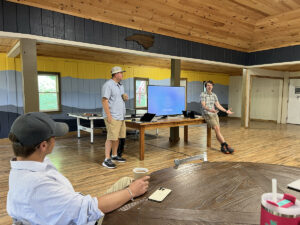
BlueRock Behavioral Health offers a 140-acre residential campus in the Blue Ridge foothills. We provide a therapeutic community where structure creates safety. Unlike a lockdown facility, our campus features separate buildings for dorms, academics, and clinical work, allowing students to move through their day with purpose.
Trauma-Informed, Attachment-Based Care
Our clinical model is grounded in attachment theory and trauma-informed care. We recognize that behavioral struggles are often secondary to mental health dysregulation. By focusing on the relationship between the student and their support system, we help them develop a secure base from which they can challenge their OCD and anxiety.
Each student receives an individually tailored treatment plan. This high-touch care ensures that the clinical work addresses the specific intrusive thoughts and compulsions the student is facing. We believe that no child is beyond help, and our 3 to 6-month stay provides the depth needed for these changes to stick.
Structure, Safety, and the Therapeutic Environment
The 140-acre campus is an intentional part of the healing process. Getting students off screens and into their bodies is essential for managing anxiety. Our environment allows students to practice accountability and responsibility within a supportive peer community. This structure helps students feel secure, which is the necessary condition for them to take the risks required in therapy.
Bearwallow Academy: Keeping Your Teen on Track Academically
One of the greatest fears for parents is that their teen will fall behind in school during treatment. Bearwallow Academy is our on-site accredited school that provides academic continuity. We offer individualized pacing so that students can focus on their clinical work without losing progress toward their high school diploma.
Teen OCD and Anxiety Treatment in Western North Carolina
BlueRock serves families across the Southeast from our location in Hendersonville, NC. We understand that for many middle- and lower-income families, the cost of residential treatment is a significant concern. That is why we are proud to be a North Carolina Medicaid Level II certified therapeutic living environment for youth.
Who BlueRock Serves and How to Enroll
We work with adolescents ages 14 to 17 who are struggling with complex behavioral health needs, including OCD and severe anxiety disorders. We accept North Carolina Medicaid and most major commercial insurance plans. Our goal is to ensure that quality clinical care is accessible to all families, not just the wealthy.
The enrollment process begins with a confidential conversation with our admissions team. We will help you understand the clinical requirements and verify your insurance coverage. We recognize that you have been living in crisis mode, and we are here to provide a clear path forward for your child.
Our Location: Hendersonville, NC
Our 140-acre campus is situated in the Blue Ridge foothills of Western North Carolina. While we are located in Hendersonville, we serve students from all over the state, including:
- Asheville and Western NC: Just a short drive for local families.
- The Research Triangle (Raleigh, Durham, Chapel Hill): A strategic distance that provides a necessary “geographic pause.”
- Charlotte Metro and the Piedmont: Accessible for families seeking the serene, therapeutic environment of the mountains.
Quality Checklist: How to Compare Programs
When searching for a residential program for your teen, ensure the facility meets these high standards:
- Licensure and Certification: Are they a certified Level II therapeutic environment in North Carolina?
- Clinical Model: Do they use evidence-based, attachment-based, and trauma-informed care?
- Academic Accreditation: Do they have an on-site accredited school to prevent students from falling behind?
- Family Involvement: Does the program offer a clear plan for family therapy and relationship rebuilding?
- Insurance Accessibility: Do they work with Medicaid and commercial insurance to make care affordable?
Frequently Asked Questions
What does OCD look like in teenagers?
In teenagers, OCD often manifests as intrusive, distressing thoughts followed by mental or physical rituals to relieve anxiety. It frequently leads to school avoidance, academic struggles, and social withdrawal.
Can OCD and anxiety be treated at the same time in a residential program?
Yes, OCD and anxiety are often deeply intertwined and should be treated together. Our trauma-informed and attachment-based care addresses the neurological and emotional roots of both disorders simultaneously.
How long does residential treatment for teen OCD and anxiety typically last?
Our residential program typically lasts between 3 and 6 months. This length of stay is necessary to provide the structure and therapeutic depth needed for long-term transformation.
Does BlueRock accept Medicaid for adolescent mental health treatment?
Yes, BlueRock is a North Carolina Medicaid Level II certified facility. We also accept most major commercial insurance plans to make care accessible for all families.
Will my child fall behind in school during residential treatment?
No, students attend Bearwallow Academy, our on-site accredited school. This allows them to stay on track with their education while focusing on their clinical recovery.
How do I know if my teenager needs residential treatment instead of outpatient therapy?
If weekly therapy and school support have not resulted in lasting change, or if your teen’s symptoms are preventing them from attending school and functioning at home, a residential program may be the next step.
Is residential treatment safe for teens—is it like a lockdown facility?
BlueRock is a therapeutic community, not a lockdown or correctional facility. We create safety through clinical structure, constant supervision, and a 140-acre campus designed for healing.
How do I get my child enrolled in a residential program in North Carolina?
You can start by contacting our admissions team at (828) 845-8454. We will guide you through the clinical assessment and insurance verification process.
Start the Healing Process Today
BlueRock Behavioral Health is here to help you break the cycle of failed treatments. We understand the fear and exhaustion you are feeling, but we also know that your child is not beyond help. Our mountain sanctuary provides the perfect environment for your teen to get off screens, reconnect with their body, and find real healing.
Contact BlueRock today to learn more about enrolling your teen in our North Carolina residential program. We accept Medicaid and most commercial insurance to ensure your child gets the care they deserve.
Phone: (828) 845-8454
Location: Hendersonville, NC
Safety Resources
- SAMHSA National Helpline: 1-800-662-HELP (4357)
- National Suicide Prevention Lifeline: 988
- Crisis Text Line: Text HOME to 741741