School social workers serve as critical links between students, families, schools and community mental health resources. When an adolescent’s mental health challenges exceed what school-based services can address, school social workers often guide families toward more intensive treatment options. Understanding how residential treatment programs collaborate with school professionals helps ensure seamless transitions and coordinated care for struggling teens.
This guide explains the partnership between BlueRock Behavioral Health and school social workers throughout the referral, treatment and reintegration process. Whether you are a school social worker considering a referral, a parent working with your child’s school team, or an administrator seeking to understand available resources for students, this information will clarify how residential treatment fits within the broader continuum of educational and mental health supports.
The Role of School Social Workers in Student Mental Health
School social workers are trained mental health professionals who provide leadership and services across multiple systems levels within educational settings. According to the School Social Work Association of America, these professionals assess students with mental health concerns, coordinate community resources to meet student needs, help school districts connect with social and mental health agencies, and ensure that systems respond effectively to each child’s needs.
Working within an ecological framework, school social workers address barriers to learning by improving the fit between students and their many environments. They provide direct services such as individual and group counseling while also consulting with teachers, administrators and families. Their unique position allows them to observe how mental health symptoms affect academic performance, peer relationships and classroom behavior in ways that outside providers may not see.
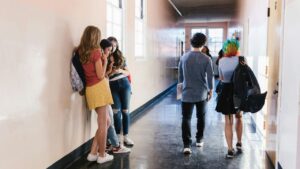
School social workers play an essential role in identifying when a student requires a higher level of care than school-based services can provide. They often recognize patterns of declining attendance, increasing isolation, academic deterioration and behavioral escalation that signal a mental health crisis developing over time. Their relationship with the student and family positions them to have difficult conversations about treatment options and to facilitate referrals when intensive intervention becomes necessary.
When Residential Treatment Becomes Necessary
School social workers frequently encounter students whose mental health challenges have not responded to school-based interventions. Weekly counseling sessions, behavior intervention plans, 504 accommodations and connections to outpatient therapy may prove insufficient for adolescents with severe anxiety, depression, trauma histories or behavioral dysregulation. When symptoms significantly interfere with the student’s ability to attend school, function in the classroom and engage with peers, residential treatment may be the appropriate next step.
Indicators that a student may need residential-level care include prolonged school refusal despite intensive intervention, self-harm or suicidal ideation that creates ongoing safety concerns, failure to improve after multiple outpatient treatment attempts, and severe symptom presentations that overwhelm the capacity of school and family supports. School social workers are often the first professionals to recognize these patterns because they observe students across time and contexts.
BlueRock Behavioral Health serves adolescents ages 12 to 17 whose mental health challenges require more structure than outpatient care offers but who do not need acute psychiatric hospitalization. Common concerns addressed include anxiety, depression, trauma-related symptoms, mood dysregulation, school refusal, self-harming behaviors, ADHD, learning disabilities and family conflict. Students admitted to BlueRock are stable enough to engage in therapeutic work and ready to build the skills needed for successful return to home and school.
Initiating a Referral to BlueRock
School social workers who believe a student may benefit from residential treatment can initiate contact with BlueRock to discuss the referral process. The BlueRock admissions team welcomes calls from school professionals and provides information about program fit, admissions criteria and what families can expect. This initial conversation helps determine whether BlueRock is an appropriate option before involving the family in detailed discussions about residential placement.
When contacting BlueRock, school social workers should be prepared to share general information about the student’s presenting concerns, treatment history, current functioning and any safety issues. Specific clinical records require family consent, but an overview of the situation helps the admissions team assess whether a formal referral makes sense. The team can also answer questions about insurance coverage, length of stay, academic programming and family involvement that school social workers frequently receive from parents.
School social workers play a valuable role in preparing families for the admissions process. Many parents feel overwhelmed, guilty or frightened at the prospect of residential treatment for their teenager. School professionals who have built trusting relationships with families can normalize these feelings, share accurate information about what residential treatment involves and help parents understand that seeking intensive care reflects strength rather than failure.
Coordinating Information and Records
Successful residential treatment depends on thorough assessment of the student’s history, symptoms and previous interventions. School social workers contribute essential information that residential treatment teams may not otherwise access. This includes academic records, attendance data, IEP or 504 Plan documentation, behavior intervention plans, disciplinary records and notes from school-based counseling sessions.
With appropriate family consent, school social workers can share observations about how the student functions in educational settings. Information about peer relationships, classroom behavior, academic strengths and challenges, and response to previous interventions helps the BlueRock clinical team develop an individualized treatment plan. Details about triggers, coping strategies that have or have not worked, and the student’s learning style prove particularly valuable.
School social workers should coordinate with the family about what records to release and to whom. Federal and state laws govern educational record privacy, and families must provide written authorization before schools share information with outside treatment providers. BlueRock works with families and schools to obtain necessary releases and ensure that information flows appropriately among all parties involved in the student’s care.
Academic Continuity During Residential Treatment
One of the most common concerns school social workers and families share involves educational impact. Will the student fall further behind academically while in residential treatment? How will credits transfer? What happens to IEP services during residential placement?
BlueRock addresses these concerns through a fully accredited academic program that operates on campus. State-accredited teachers provide individualized instruction that accounts for different learning styles and needs. Students continue coursework during their residential stay, maintaining academic progress rather than losing ground. The educational specialist identifies any special education needs and ensures appropriate accommodations are in place.
School social workers can facilitate communication between the student’s home school and BlueRock’s academic program. Sharing information about current grade levels, courses in progress, credit requirements and any existing IEP or 504 Plan helps BlueRock educators pick up where the home school left off. Regular updates from BlueRock to the home school support smooth academic transitions at discharge.
For students with Individualized Education Programs, school social workers should work with special education staff to understand how services will continue during residential placement. BlueRock provides related services and implements accommodations consistent with each student’s educational needs. Upon return, the home school IEP team should convene to review and update the plan based on progress made during residential treatment.
Communication During Treatment
School social workers who maintain involvement during a student’s residential stay help ensure that information gathered in treatment informs the plan for school reintegration. BlueRock encourages communication between the treatment team and school professionals when families provide appropriate consent.
Regular updates about the student’s progress, emerging strengths, skill development and remaining challenges help school social workers prepare for the student’s return. Understanding what therapeutic approaches have been effective, what triggers remain problematic and what coping strategies the student has learned allows school staff to provide consistent support. This coordination prevents the common problem of gains made in treatment failing to transfer back to the school environment.
The BlueRock clinical team includes licensed therapists trained in evidence-based modalities who can consult with school social workers about therapeutic recommendations. Sharing information about the student’s trauma history, anxiety patterns, emotional regulation skills and relationship dynamics helps school professionals understand the whole child and respond effectively to behaviors that may arise after discharge.
Preparing for Transition Back to School
Successful transition from residential treatment to the home school requires careful planning that begins well before the student’s discharge date. BlueRock emphasizes transition preparation as a core component of treatment, working with families and community providers to create stepdown plans that support continued progress.
School social workers should participate in discharge planning whenever possible. Understanding the student’s treatment goals, the skills they have developed and the strategies that support their mental health helps school staff create an environment where the returning student can thrive. Coordination between BlueRock, the family and the school ensures that everyone shares the same expectations and commitments.
Transition planning may include gradual reintroduction to the school setting, modified schedules during the initial weeks, designated check-in points with the school social worker, updated behavior intervention plans, accommodations for anxiety or other symptoms, and clear communication channels between parents and school staff. BlueRock provides recommendations based on each student’s individual needs and progress during treatment.
School social workers can advocate within their schools for the supports that returning students need. This might involve educating teachers about trauma-informed practices, arranging flexible testing conditions, ensuring the student has a safe person to contact when distressed, or modifying attendance expectations during the transition period. Active advocacy helps prevent the all-too-common pattern of students struggling immediately after returning from treatment.
Supporting Families Through the Process
Parents often turn to school social workers for guidance when their teenager is struggling. These professionals can provide invaluable support throughout the residential treatment process, from initial consideration through post-discharge reintegration.
During the decision-making phase, school social workers can help families understand what residential treatment involves, address common misconceptions and validate the difficulty of this decision. Many parents worry about stigma, fear that placement means abandoning their child or feel that needing residential care signals parenting failure. School social workers who have seen positive outcomes from residential treatment can offer realistic hope and encouragement.
While the student is in treatment, school social workers can maintain connection with families, checking in about how the process is going and what support parents need. Some families benefit from referrals to their own therapy or support groups during this challenging time. Others need practical assistance navigating insurance issues, coordinating with other children’s needs or managing work obligations while attending family programming at the treatment facility.
After discharge, school social workers provide ongoing support as families and students readjust to life at home and school. They can monitor for warning signs that symptoms may be returning, reinforce skills the student learned in treatment and serve as a bridge between the family and other school staff. This continued involvement helps consolidate treatment gains and catch potential problems early.
Resources for School Social Workers
School social workers seeking information about residential treatment options in North Carolina can find resources through several professional organizations and state agencies. The National Association of Social Workers publishes practice standards that address coordination with outside providers and transitions between levels of care.
The North Carolina Department of Health and Human Services provides information about the continuum of mental health services available to children and adolescents in the state. School social workers can use these resources to understand how residential treatment fits within the broader system of care and to identify options for students who need intensive support.
For immediate crisis support, school social workers should be aware of the 988 Suicide and Crisis Lifeline, which offers 24/7 access to trained crisis counselors by call, text or chat. North Carolina residents can also access mobile crisis teams through the 988 system. The SAMHSA National Helpline at 1-800-662-4357 provides treatment referrals and information for individuals and families facing mental health or substance use concerns.
Why BlueRock Partners With School Professionals
BlueRock Behavioral Health recognizes that school social workers are essential partners in adolescent mental health care. The program’s mission to provide competent, quality mental health services aligns with the school social work profession’s commitment to helping students succeed academically, socially and emotionally.
The BlueRock approach emphasizes relationship-based care grounded in the belief that trusting connections drive therapeutic change. This philosophy extends beyond the treatment milieu to include collaborative relationships with the professionals who support students before and after residential placement. Open communication, shared goals and coordinated planning maximize the likelihood that gains made in treatment will persist over time.
BlueRock’s location in Western North Carolina provides a therapeutic environment that differs substantially from the pressures of school and home. The 140-acre mountain campus near Asheville offers opportunities for outdoor recreation, experiential programming and nature-based therapeutic activities. This setting allows students to step away from the stressors that may have contributed to their mental health challenges while developing skills for healthy functioning when they return.
The BlueRock team includes licensed therapists, a licensed clinical social worker with specialized training in adolescent and family treatment, psychiatric providers and experienced residential staff. This multidisciplinary team brings more than 70 years of combined experience to the work of helping adolescents heal. The locally owned and operated program serves families throughout North Carolina and welcomes partnerships with school professionals across the state.
Connecting Students With the Care They Need
School social workers occupy a unique position in the lives of struggling adolescents. Their training in mental health, their presence in the educational setting where symptoms often manifest and their relationships with students and families make them invaluable allies in identifying when residential treatment is needed and ensuring successful transitions.
If you are a school social worker working with a student who may benefit from residential treatment, contact BlueRock Behavioral Health to discuss the situation and learn more about available options. The admissions team can provide information about program fit, the referral process and what families can expect. Collaboration between school professionals and residential treatment providers gives students the best chance for lasting recovery.
BlueRock accepts referrals from school social workers, therapists, psychiatrists, pediatricians, hospital discharge planners and families themselves. The program works with NC Medicaid Standard Plans, Tailored Plans and commercial insurance. The admissions team assists with benefits verification and guides families through each step of the intake process.
How to Start
School social workers ready to explore residential treatment options for a student can reach out to BlueRock directly. Call to speak with the admissions team, ask questions about the program and discuss whether BlueRock might be appropriate for the student you are working with. You can also complete the online inquiry form at bluerockbh.com/admissions to request a callback.
For students and families experiencing crisis, ensure immediate safety first. Call 911 for emergencies. For urgent mental health support, contact the 988 Suicide and Crisis Lifeline by calling or texting 988. Once the acute crisis is resolved, residential treatment can be explored as a next step in the continuum of care.
Partnering with residential treatment programs like BlueRock expands the resources available to school social workers supporting struggling students. Together, we can connect adolescents with the level of care they need to heal, grow and succeed in school and life.
Sources and Further Reading
Role of School Social Worker – School Social Work Association of America
NASW Standards for School Social Work Services – National Association of Social Workers
Residential Treatment Programs – American Academy of Child and Adolescent Psychiatry Facts for Families
988 Suicide and Crisis Lifeline – National crisis support available 24/7
North Carolina Crisis Services – NC Department of Health and Human Services crisis support resources
SAMHSA National Helpline – Substance Abuse and Mental Health Services Administration treatment referral service