Why Family Therapy Matters When Your Teen Is in Residential Care
Choosing residential treatment for your teen is a big and often emotional decision. It is normal to worry about how time away from home will affect your relationship, your routines, and the rest of the family.
At BlueRock Behavioral Health in Western North Carolina, residential care does not mean you are sidelined. Family therapy is built into treatment so parents and caregivers stay involved, informed, and supported while their teen does the hard work of healing on campus.
This guide explains how family therapy in residential treatment works, what parents can expect at BlueRock, and how family involvement supports long term recovery when your teen returns home.
What Family Therapy Is in a Teen Residential Setting
Family therapy is a structured type of counseling that includes your teen and key family members in sessions together. The focus is not on blaming any one person. Instead, the therapist looks at patterns in how the family communicates, responds to stress, and solves problems, then helps everyone practice healthier ways of relating.
In residential treatment, family therapy usually goes beyond simple updates or parent education. You can expect:
- Dedicated weekly sessions that focus on family goals, not only on the teen’s symptoms.
- Coaching on communication, boundaries, and emotion regulation skills that you can use at home.
- Time to ask questions, process your own feelings, and plan for the transition back to the community.
The goal is twofold. Family therapy helps your teen feel understood and supported, and it strengthens the entire family system so everyone has a better chance of doing well after discharge.
Who Family Therapy Helps and When It Is Recommended
Family therapy in residential treatment can help a wide range of teens and families. At BlueRock, many students have a history of anxiety, depression, trauma related stress, school refusal, self harm or suicidal thoughts, substance use experimentation, ADHD, or family conflict. Parents often describe feeling exhausted, worried, and unsure what to try next at home.
Family therapy is especially important if you notice any of the following:
- Arguments at home escalate quickly and feel repetitive or stuck.
- Your teen shuts down, withdraws, or refuses to talk about what is going on.
- Parents or caregivers do not agree on rules, consequences, or expectations.
- Past events, such as divorce, loss, or trauma, still shape how everyone interacts.
Sessions may include parents, guardians, stepparents, and sometimes siblings or other caring adults. Your teen’s treatment team will help decide who should be in the room for each stage of care so that sessions feel safe and productive.
How Family Therapy Works at BlueRock Behavioral Health
BlueRock Behavioral Health is a Level II teen residential treatment program on a 140 acre campus near Hendersonville and Bat Cave, about 30 minutes from Asheville. The program serves adolescents ages 12 through 17 from across Western North Carolina who need 24/7 structure, individualized therapy, and an accredited on campus school.
Family involvement is a core part of this model. BlueRock’s team combines individual therapy, group therapy, and family therapy with skills based approaches like CBT and DBT skills training. Families are invited to participate through weekly sessions, parent coaching, frequent updates, and on campus events that prepare everyone for life after discharge.
Weekly Family Therapy Sessions
Each family has a standing weekly family therapy session with a licensed clinician. During these sessions, you and your teen talk together about progress, challenges, and goals. The therapist helps:
- Translate what your teen is learning in individual and group therapy into language the whole family can understand.
- Practice new communication skills in real time, such as active listening, validation, and setting clear expectations.
- Address ongoing conflicts in a structured, neutral setting where everyone gets a turn to speak.
Early sessions often focus on hearing each person’s story and building trust. As treatment progresses, sessions become more skills focused and future oriented, with concrete plans for visits, privileges, and the eventual transition home.
Parent Coaching and Support
Residential treatment is a major change for parents and caregivers as well as for teens. BlueRock weaves parent coaching into family work so you are not left to figure things out alone.
Parent coaching can include:
- Learning how to respond when your teen is dysregulated, shutting down, or pushing limits.
- Understanding concepts like emotion regulation, distress tolerance, and healthy boundaries.
- Planning how to structure time at home, including school routines, sleep, technology, and peer time.
These conversations give you a place to ask questions, acknowledge your own stress, and get practical guidance that matches your teen’s treatment plan.
Family Seminars and Campus Visits
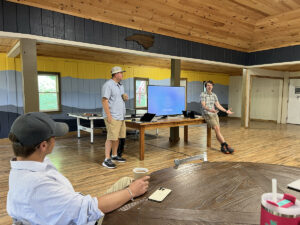
In addition to weekly sessions, BlueRock encourages families to visit campus when possible. Family seminars bring relatives to the Hendersonville area for a deeper, hands on experience of residential treatment. These events may include group workshops, joint activities, and time to connect with staff and other parents.
Not every family can attend every seminar or visit in person, especially if you live farther away in North Carolina. BlueRock’s team will work with you to participate through a mix of in person, phone, and virtual options that fit your schedule.
What to Expect During a Family Therapy Session
While every therapist has a slightly different style, a typical family therapy session in residential treatment follows a predictable flow. Knowing what to expect can make it easier to show up and engage, even when the topics feel intense.
Checking In and Setting the Agenda
Sessions usually begin with a quick check in from each person. You might share how the week has felt, any big events at home, and what you hope to cover that day. The therapist then sets an agenda that balances your concerns, your teen’s goals, and any treatment priorities for the week.
Understanding Patterns at Home
Much of family therapy focuses on patterns. Rather than revisiting every detail of every argument, the therapist looks for themes, such as how conflict starts, how each person reacts, and how the situation usually ends. You might map out a recent crisis together and notice where things escalate and where there might be a chance to slow down or change course.
Learning and Practicing New Skills
Once patterns are clear, the therapist introduces new tools. These may include:
- Communication skills, such as using “I” statements and reflective listening.
- Emotion regulation strategies, like taking a pause, grounding exercises, or problem solving steps.
- Boundary and limit setting that is clear, consistent, and tied to your teen’s treatment goals.
Family members often practice the skills in session so that everyone can try them in a safe environment before using them during a high stress moment at home.
Closing with Homework and Next Steps
Most sessions end with a brief summary and a small “homework” plan. You might agree to try a new way of handling curfew discussions, schedule regular check in time with your teen, or track how often certain triggers show up. These small experiments help build momentum and give you and your teen clear next steps before your next session.
Clinical Elements That Support Family Work
Family therapy does not exist in a vacuum. It works best when it fits into a broader, evidence based treatment plan for your teen.
At BlueRock, clinicians use therapies such as Cognitive Behavioral Therapy (CBT), Dialectical Behavior Therapy (DBT) skills training, Trauma Focused CBT, and Eye Movement Desensitization and Reprocessing (EMDR) as part of individualized plans. These approaches help teens understand their thoughts, feelings, and behaviors, then practice new coping strategies. Family sessions extend those skills to caregivers, so parents understand what their teen is learning and how to support it at home.
Medical and psychiatric care also play a role. If your teen takes medication, the treatment team will update you about the plan, expected benefits, and possible side effects. Family therapy offers a place to talk through concerns, share what you notice at home, and make sure everyone understands the reasons behind medication decisions.
How Long Family Therapy Continues in Residential Treatment
Level II residential treatment at BlueRock is typically designed as a 90 to 180 day program, although the exact length of stay depends on clinical needs, school progress, and insurance. Family therapy is not limited to the beginning or end of this timeframe. Instead, it runs throughout treatment and adjusts as your teen moves through different phases of care.
In earlier weeks, sessions may focus more on stabilization, safety planning, and communication basics. As your teen gains skills, family therapy shifts toward problem solving, increasing trust, and planning for time away from campus. Near discharge, sessions emphasize transition planning, including school, outpatient care, and routines that support continued healing at home.
After residential treatment ends, many families continue with outpatient family or parent focused therapy in their home community. BlueRock’s team can help connect you with local providers, school supports, and community resources in Western North Carolina so you are not starting from scratch.
Insurance, Costs, and North Carolina Medicaid
Understanding how family therapy fits into the financial picture is important. At BlueRock, family therapy is integrated into the overall residential treatment plan, rather than billed as a separate stand alone service. The program works with North Carolina Medicaid (Standard and Tailored Plans) and many commercial insurance plans for Level II residential care.
The admissions and billing teams verify benefits, confirm eligibility, and provide clear information about deductibles, copayments, and coinsurance. If you have questions about whether family therapy and residential treatment might be covered for your teen, you can contact the admissions team or use the insurance form on the contact page to request a benefits check.
Plan participation can change over time, and coverage decisions are always tied to medical necessity. The team will walk you through what to expect financially before admission so that cost does not become another surprise during an already stressful season.
Aftercare, Local Resources, and Crisis Support
Effective family therapy looks beyond discharge. Before your teen leaves residential treatment, the BlueRock team collaborates with you to build an aftercare plan. This often includes outpatient therapy, medication management, school supports, and community services near your home in North Carolina.
If your family lives in or near Hendersonville or elsewhere in Western North Carolina, local resources may include county behavioral health services, walk in clinics, peer support centers, and youth focused programs. The Henderson County Behavioral Health Resources list is one example of a centralized guide for crisis lines, mobile crisis teams, walk in clinics, and recovery programs in the region.
If your teen is in crisis at any point, call 911 for life threatening emergencies. For urgent mental health, substance use, or suicide concerns, you can also call or text 988 to reach the Suicide and Crisis Lifeline, which connects you with trained counselors 24 hours a day. National options such as the SAMHSA National Helpline and crisis text services can also provide support and referrals.
Questions to Ask About Any Program’s Family Therapy
Whether you are considering BlueRock or comparing several residential treatment options, it helps to ask specific questions about family involvement. Consider asking:
- How often will our family meet with a therapist, and who will lead those sessions?
- What are the goals of family therapy in your program, and how will we track progress?
- How are parents involved in treatment planning, safety planning, and discharge planning?
- Are there family seminars, parent groups, or educational workshops in addition to weekly sessions?
- How will you coordinate with our outpatient providers, school, and community supports when our teen comes home?
Look for programs that integrate family work into the overall plan of care, use evidence based therapies, and offer clear communication about what you can expect week by week.
Why Families Across Western North Carolina Choose BlueRock
Families from Asheville, Hendersonville, and across Western North Carolina choose BlueRock Behavioral Health because the program combines clinical excellence with a relational, family centered approach. Teens live on a 140 acre campus in the Blue Ridge Mountains, attend an accredited on campus school, and participate in structured daily programming that builds real world skills.
For parents, the most important piece is often the level of partnership. Weekly family therapy, parent coaching, regular updates, and on campus family experiences help you stay connected to your teen and to the treatment team. You are not just dropping your child off at a facility. You are joining a coordinated effort to help your teen stabilize, grow, and return home with stronger relationships and new skills.
Note on Location for North Carolina Families
BlueRock is located near Hendersonville and Bat Cave in Western North Carolina, about half an hour from Asheville. The campus setting offers quiet, natural surroundings that support healing, while remaining reachable for families who drive in for visits, family therapy, and seminars. Many families travel from elsewhere in North Carolina for the combination of structured care, accredited academics, and strong family involvement.
How to Get Started with Family Therapy at BlueRock
If your teen is struggling and home no longer feels safe or sustainable, you do not have to navigate the situation on your own. The team at BlueRock is available around the clock to talk through your concerns, answer questions about Level II residential treatment, and explain how family therapy fits into care.
You can reach out in several ways:
- Call the admissions team listed on the admissions page to discuss your teen’s needs.
- Submit the secure form on the contact page to request a call back or insurance verification.
- Review the teen residential treatment FAQs to learn more about who BlueRock serves, length of stay, and family involvement.
Reaching out does not commit you to admission. It is a first step in understanding your options and seeing whether BlueRock’s residential program and family therapy approach are a good fit for your teen and your family.
Sources and Further Reading
The following resources offer additional information about child and adolescent mental health, family therapy, and crisis support: